Concussion Recovery in Nevada City & Grass Valley
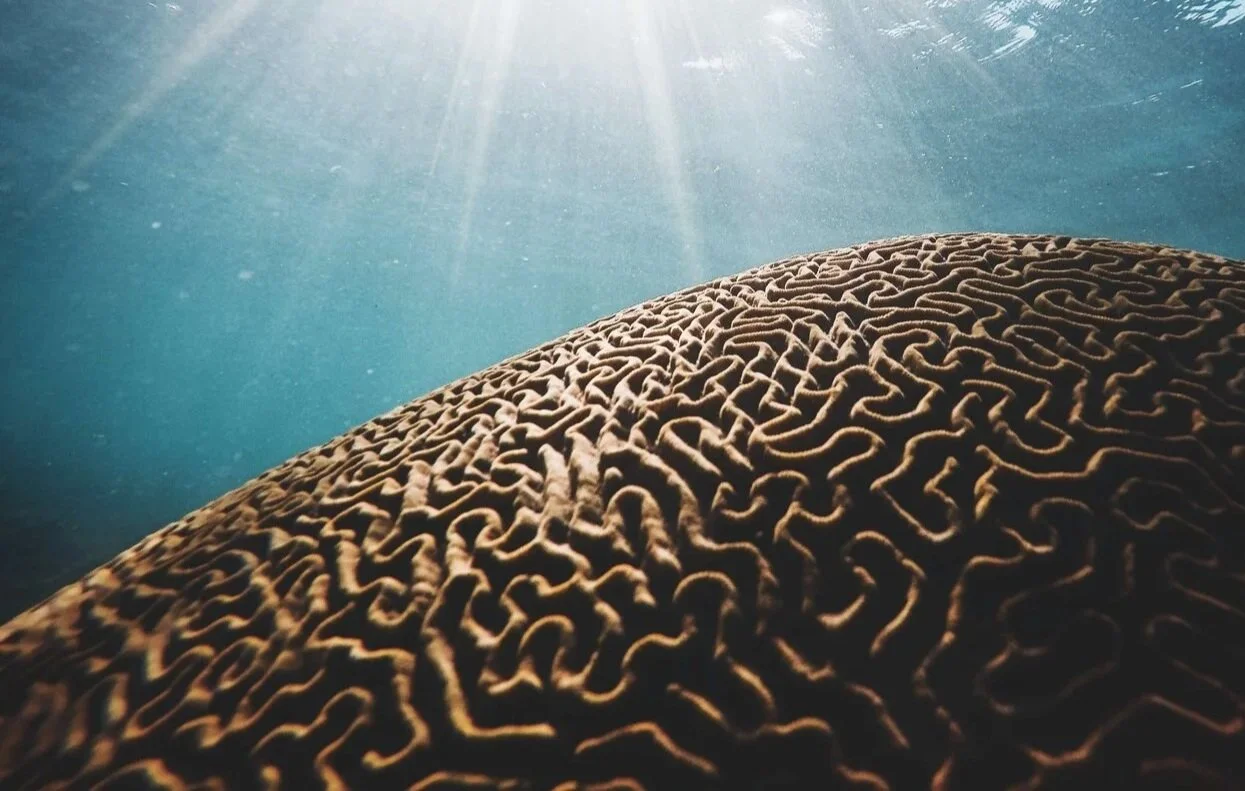
A Modern Approach to Post-Concussion Symptoms
By Dr. Austin Van poole d.c
If you’ve recently hit your head either during sports, a fall, a car accident, or an everyday activity, you may be dealing with symptoms that feel confusing, frustrating, or slow to improve.
Headaches. Dizziness. Brain fog. Fatigue. Exercise intolerance.
Here’s the most important thing to know:
Recovery from a concussion isn’t about doing nothing. It’s about doing the right things at the right time.
At Radius Physical + Sports Rehab, I focus on evaluating and treating the systems commonly affected after a concussion to help patients throughout Nevada City, Grass Valley, and Nevada County recover safely and efficiently.
What Happens After a Concussion?
A concussion is not simply a bruise to the brain. It’s a temporary disruption in how the brain and nervous system function.
I often describe it this way:
It’s like a sudden electrical and chemical surge that temporarily throws your system out of balance.
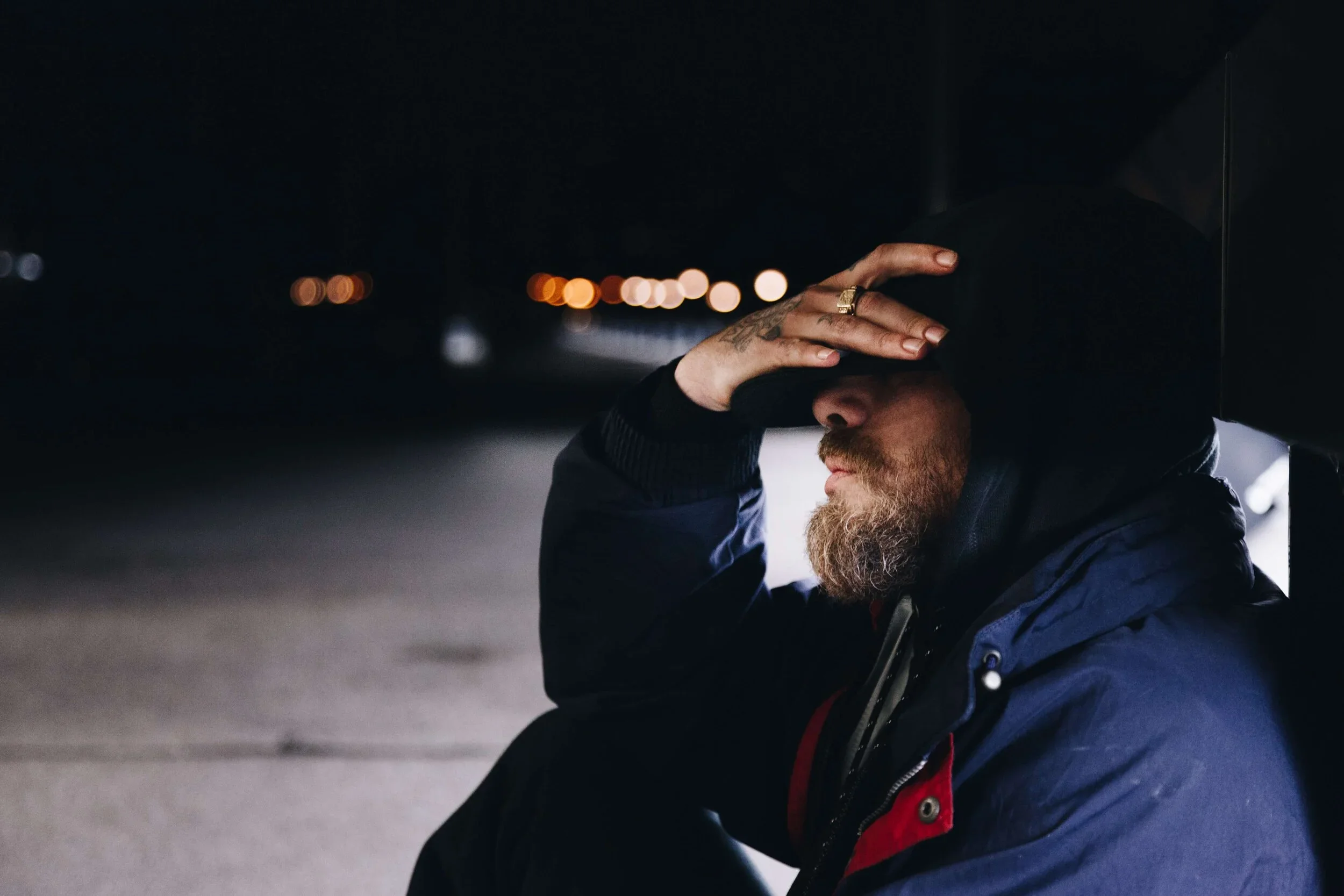
After an injury, the body may experience changes in:
- Blood flow regulation
- Energy production
- Nervous system control
- Balance and coordination
- Vision and eye tracking
- Heart rate and exercise tolerance
- Emotional regulation
Even when imaging is normal, these systems can remain disrupted — which is why symptoms may persist.
The Metabolic Mismatch: Why You Feel Worse With Activity
One of the key concepts in recovery is metabolic dysfunction.
After a concussion:
The brain’s energy demand increases
But its ability to produce energy decreases
This creates a temporary “energy crisis,” which explains:
Fatigue
Symptom flare-ups with exertion
Difficulty tolerating exercise
Feeling “drained” after mental or physical activity
The good news: this system responds very well to guided, progressive activity.
Common Post-Concussion Symptoms
Symptoms may appear immediately or develop within 24–72 hours.
Physical symptoms:
Headache
Dizziness or balance problems
Nausea
Light or noise sensitivity
Fatigue
Cognitive symptoms:
Brain fog
Difficulty concentrating
Slower processing
Emotional symptoms:
Irritability
Anxiety
Mood changes
If symptoms persist or worsen with activity, targeted evaluation can help identify what systems need support.
Why Early Evaluation Matters
Most concussions improve within weeks, but symptoms can linger when underlying issues are not addressed.
Early evaluation helps identify:
Exercise intolerance (autonomic dysfunction)
Vision or eye-tracking problems
Vestibular (balance) deficits
Cervical spine involvement
Nervous system dysregulation
At Radius, we don’t just tell you to rest — we determine what your system can tolerate and how to safely rebuild capacity.
How We Evaluate Post-Concussion Symptoms
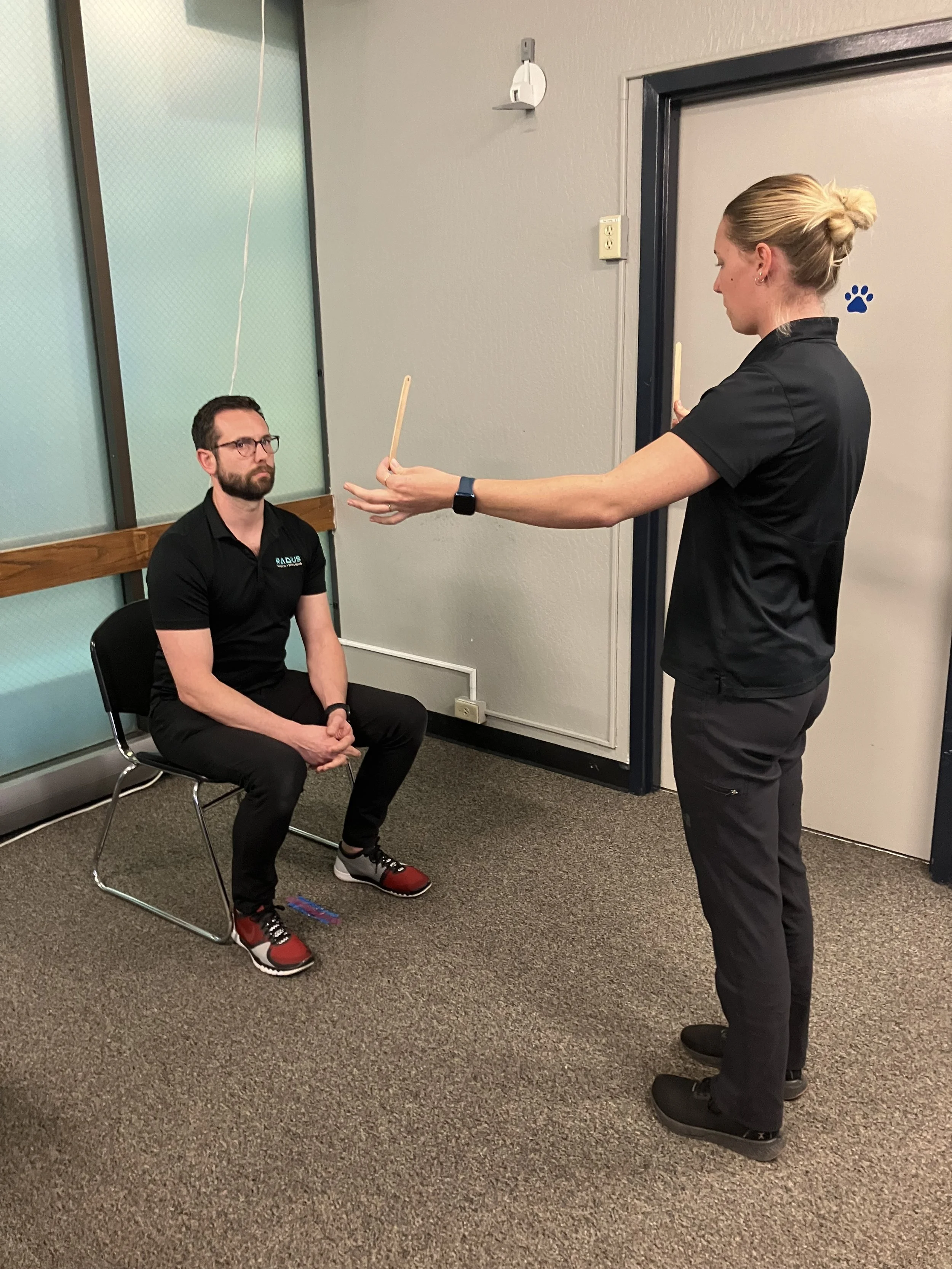
Vestibular Ocular Motor Screening (VOMS)
This assessment looks at:
- Eye tracking
- Convergence (eye coordination)
- Motion sensitivity
- Symptom response to visual tasks
Because the vision and balance systems are commonly affected, this helps guide targeted treatment.
Buffalo Concussion Treadmill Test (BCTT)
This evidence-based test helps us:
Identify your symptom-limited heart rate threshold
Measure exercise tolerance
Assess autonomic nervous system function
Establish safe cardiovascular training levels
This allows us to prescribe movement as treatment, not avoidance.
Modern Concussion Care: Movement Matters
Old recommendations focused on weeks of dark-room rest.
Current research supports:
24–48 hours of relative rest
Followed by gradual return to activity
Structured, symptom-guided exercise
Prolonged inactivity can actually slow recovery.
How We Treat Post-Concussion Symptoms
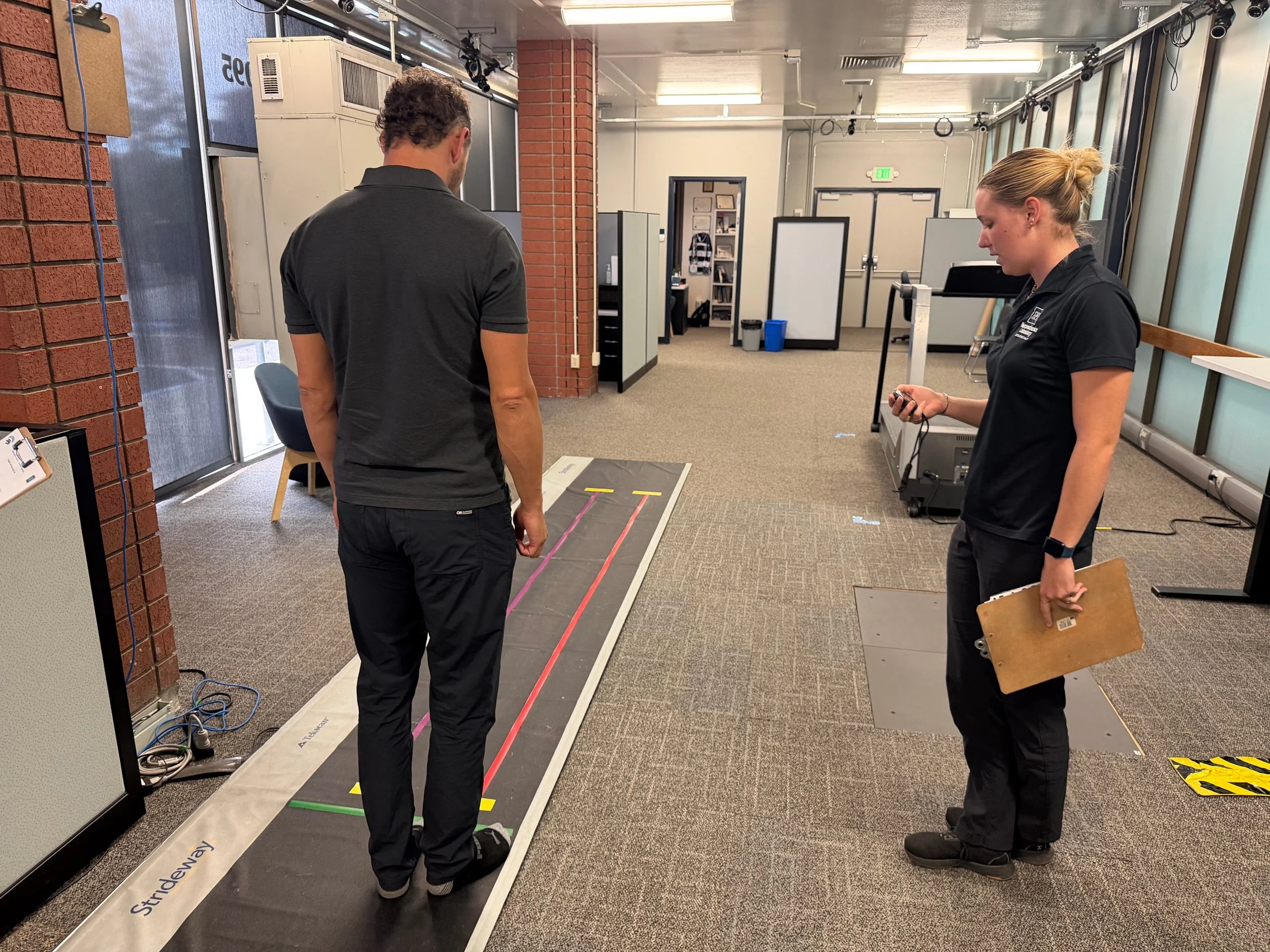
Treatment is individualized based on your evaluation.
1. Targeted Cardio (Primary Treatment)
Using your BCTT results, we prescribe:
20–30 minutes of daily cardiovascular exercise
At a specific, symptom-limited heart rate
This helps:
Restore blood flow regulation
Improve energy tolerance
Reduce fatigue
Speed recovery
2. Vestibular & Visual Rehabilitation
If VOMS reveals deficits, we prescribe specific exercises to address:
Eye tracking
Convergence
Motion sensitivity
Dizziness
3. Cervical Spine Treatment
Neck dysfunction is a common and often overlooked contributor to symptoms.
We assess and treat:
Upper cervical mobility
Muscle tension
Cervicogenic headaches
Neck-related dizziness
Addressing the cervical spine frequently reduces headache and dizziness significantly.
Advanced Training in Concussion & Brain Injury Care
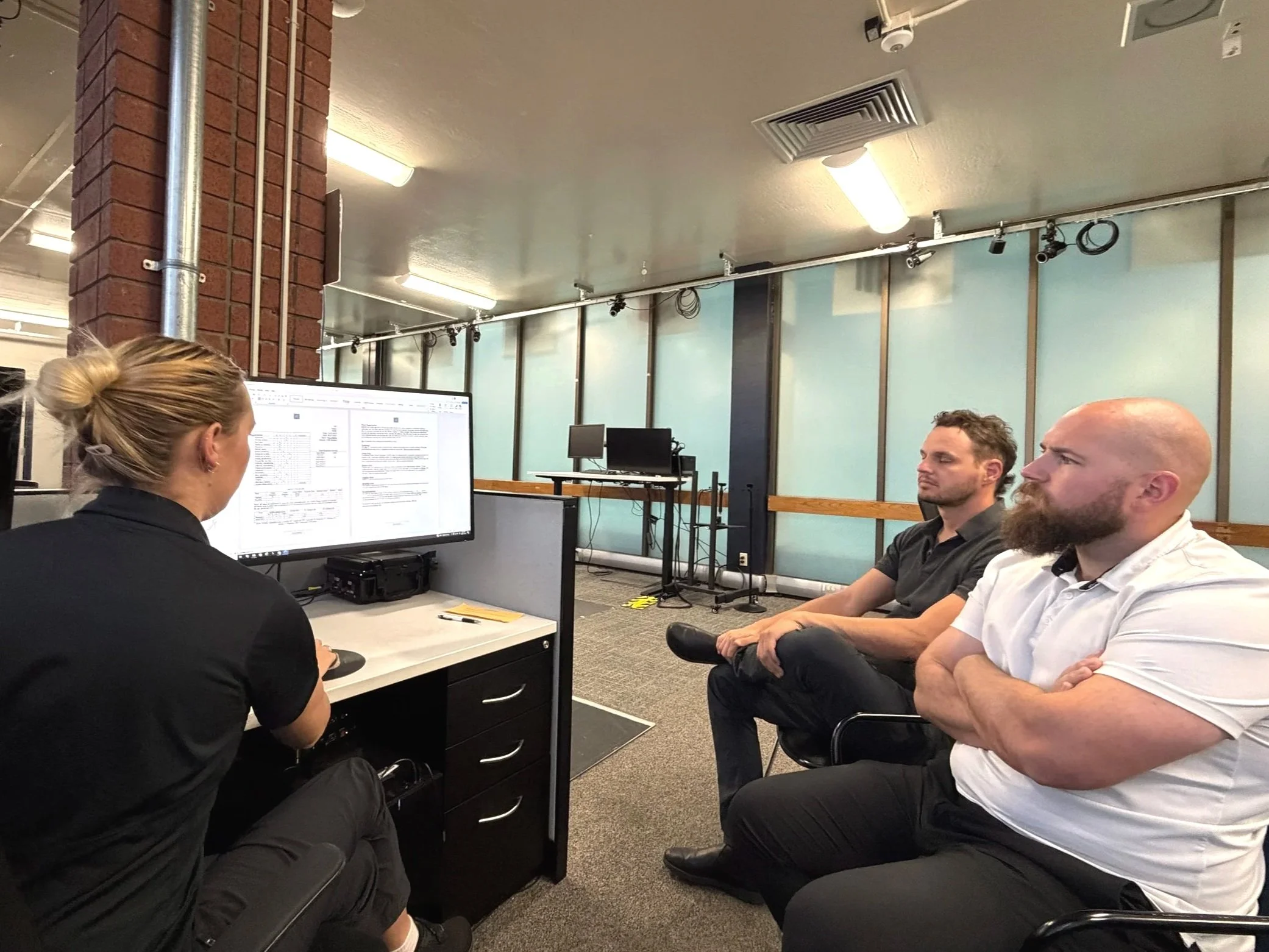
At Radius Physical + Sports Rehab, our concussion care approach is built on current research and hands-on clinical collaboration.
In November 2025, our TBI treatment team traveled to the University of Nevada, Reno to work directly with experts in the Neuromechanics Laboratory. During this immersive training, we received advanced clinical education and practical guidance from:
Nicholas Murray, PhD, CIC
Director of the Neuromechanics Laboratory and Chair of the MS Kinesiology ProgramZoe Haddox, LAT, ATC
University of Nevada, Reno School of Public Health
This experience focused on the latest evidence in:
Concussion and mild traumatic brain injury recovery
Autonomic nervous system dysfunction
Exercise tolerance testing and prescription
Return-to-sport and return-to-activity decision-making
Objective assessment of post-concussion symptoms
What this means for you:
Your care at Radius is guided by the same evidence-based principles being studied and applied in leading concussion research settings — not outdated rest-only approaches.
We use this advanced training to help patients in Nevada City, Grass Valley, and throughout Nevada County recover safely, restore function, and return confidently to school, work, sport, and daily life.
What About Persistent Symptoms?
If symptoms last longer than expected, this is often referred to as post-concussion syndrome (PCS).
This does not mean permanent damage.
Persistent symptoms often reflect:
Autonomic dysregulation
Exercise intolerance
Vestibular dysfunction
Cervical spine involvement
Nervous system sensitivity
With targeted care, even long-standing symptoms can improve.
When Should You Schedule an Evaluation?
Consider an evaluation if:
You’ve had a recent head or neck injury
Symptoms last longer than a few days
Exercise worsens symptoms
Headaches, dizziness, or brain fog persist
Recovery feels stalled
You want guidance returning to sport, work, or activity
Early, active care typically leads to faster recovery.
Concussion Care in Nevada County
If you’re searching for:
Concussion treatment Nevada City
Post-concussion therapy Grass Valley
Return-to-sport concussion care Nevada County
Dizziness or headache after head injury
Dr. Austin Van Poole provides specialized evaluation and treatment for post-concussion symptoms at Radius Physical + Sports Rehab.
We work with:
Athletes
Active adults
Students
Motor vehicle accident patients
Anyone struggling with lingering symptoms after a head or neck injury
Don’t Just Wait It Out
Most people are told to rest and hope symptoms improve.
But recovery improves significantly when we:
Identify exercise thresholds
Restore nervous system regulation
Address vision and balance deficits
Treat cervical spine dysfunction
Reintroduce movement safely
The sooner the right systems are addressed, the smoother recovery tends to be.
Ready to Start Your Recovery?
If you’re experiencing ongoing symptoms after a head or neck injury, we can help guide your recovery.
Book online to see available appointments, if you don’t see a time that works for you, Call or text: (530) 955-0065 and let our front desk work their scheduling magic!
📍 Radius Physical + Sports Rehab
Nevada City & Grass Valley
📞 (530) 955-0065
Book online anytime.