Pinched Nerve at L4-L5? Where to Start in Nevada City & Grass Valley
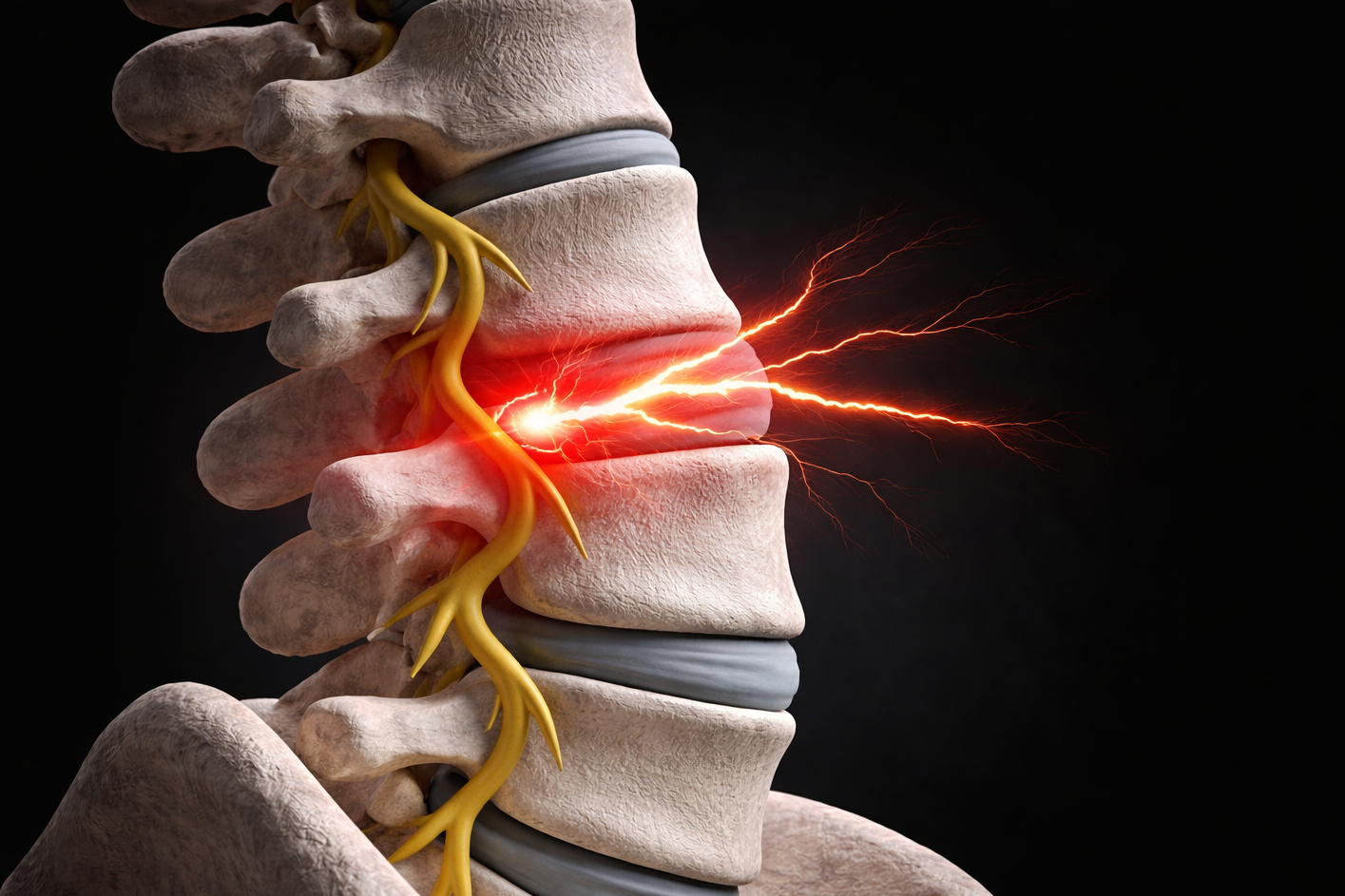
Pinched Nerve at L4-L5?
Whatever it is, the way you tell your story online can make all the difference.
By Dr. Austin Van Poole, DC — Radius Physical + Sports Rehab
If you’ve been told you have a “pinched nerve at L4-L5,” you’re probably dealing with some combination of back pain, leg symptoms, and a lot of uncertainty.
Maybe you’ve heard words like disc bulge, herniation, or degeneration.
Maybe someone mentioned surgery.
Or maybe you’ve tried stretching, resting, or Googling your way through it—and nothing feels clear.
Let’s simplify this.
What Does “Pinched Nerve at L4-L5” Actually Mean?
When people say “L4-L5,” they’re referring to a level in the lower spine.
When they say “pinched nerve,” they usually mean:
Something is irritating a nerve in the low back
That irritation may be sending symptoms into the hip, leg, or foot
That something could be:
Inflammation around a nerve root
Joint or soft tissue irritation
Or even a movement issue that keeps reproducing symptoms
Here’s the key:
The label doesn’t tell us exactly what needs to be treated.
Two people can both be told “L4-L5” and require completely different approaches.
Common Symptoms of an L4-L5 Nerve Issue
If you're in Nevada City or Grass Valley dealing with this, symptoms may include:
Tingling or numbness
Burning or “electric” sensations
Weakness in the leg or foot
Pain with sitting, bending, lifting, or coughing
Sometimes it’s intense.
Sometimes it’s subtle but persistent.
Either way—if it’s affecting your movement, sleep, or daily life, it’s worth evaluating.
The Biggest Misconception: “I Probably Need Surgery”
This is one of the most common fears we hear.
And sometimes—yes—surgery is appropriate.
But many cases of low back and nerve-related pain respond well to conservative care when the diagnosis is accurate.
That’s the part most people miss.
The quality of the diagnosis matters more than the label.
Why Getting the Right Diagnosis Changes Everything
At Radius Physical + Sports Rehab in Nevada City, we don’t start with assumptions.
We start with a comprehensive new patient exam designed to:
Rule in or out specific conditions
Identify what’s actually driving symptoms
Screen for red flags
Determine whether conservative care is appropriate
This isn’t a quick “where does it hurt?” visit.
It’s a detailed, structured evaluation that guides everything that comes next.
When You Should Get Checked Right Away
Most back and nerve symptoms are musculoskeletal—but not always.
You should seek care promptly if you experience:
Progressive or significant weakness
Loss of bowel or bladder control
Numbness in the saddle region
Severe pain after trauma
Signs of infection or illness
Part of our job is making sure nothing serious is being missed.
What Treatment Might Look Like
If your presentation is appropriate for conservative care, treatment is individualized—but often includes:
Hands-on care to reduce pain and restore motion
Targeted exercises based on your specific condition
Movement modification to reduce irritation
Progressive rehab to rebuild tolerance
Ongoing reassessment to ensure you’re improving
This isn’t generic “back pain treatment.”
It’s a plan built around your specific presentation.
Why Patients in Nevada City & Grass Valley Start at Radius
People come to us when they:
Have conflicting opinions
Are unsure if surgery is necessary
Feel stuck or not improving
Want a clear plan forward
What makes our approach different is simple:
We follow the findings, not assumptions.
That means:
If conservative care makes sense → we guide you through it
If it doesn’t → we help direct you to the right next step
What to Expect at Your First Visit
Your new patient exam includes:
Full medical history review
Movement analysis
Clear explanation of findings
Treatment on day one (if appropriate)
No guesswork. No vague answers.
Just clarity.
Final Thoughts
If you’ve been told you have a “pinched nerve at L4-L5,” the next step isn’t panic.
It’s clarity.
Because the real question isn’t:
“What does the MRI say?”
It’s:
“What’s actually driving my symptoms and what’s the right plan forward?”
Ready to Get Answers?
If you’re in the Nevada City or Grass Valley area and dealing with back pain or nerve symptoms:
Schedule a new patient exam at Radius Physical + Sports Rehab
✔ No referral required
✔ Insurance accepted